Gambling’s influence in shaping popular media narratives
The Historical Context of Gambling in Media
Gambling has long been woven into the fabric of popular media, tracing back to classic literature and early cinema. From Shakespeare’s references to card games to the glitz of Las Vegas depicted in films, gambling has fascinated audiences for centuries. This historical presence has allowed gambling to evolve from a taboo subject into a mainstream narrative, making it a crucial element in storytelling across various platforms. A great many fans enjoy the thrill of games, and the best online casino can often spark considerable excitement in these captivating narratives.
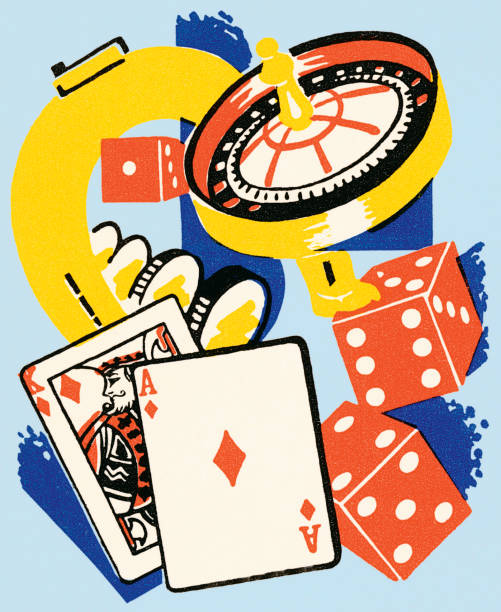
The allure of risk and reward has made gambling a powerful narrative tool. Writers and filmmakers often use gambling as a device to explore themes of desperation, chance, and morality. By embedding these elements into their narratives, creators capture the audience’s attention and evoke a range of emotions that resonate deeply, reinforcing the significance of gambling in popular culture.
Gambling in Film and Television
In film and television, gambling serves as a backdrop for dramatic storytelling. Iconic movies like “Casino” and “Rounders” portray the high stakes and intense emotions associated with gambling. These films not only entertain but also offer a glimpse into the complexities of human behavior and decision-making when placed under pressure. By highlighting the tension and excitement of gambling, creators engage viewers and draw them into the world they depict.
Television series such as “Breaking Bad” have also leveraged gambling as a narrative device. Characters involved in gambling often embody the struggle between morality and ambition, allowing the audience to explore their motivations and consequences. This nuanced portrayal helps demystify gambling, moving beyond mere entertainment to address deeper societal issues.
The Impact of Gambling on Video Games
The gaming industry has seen a significant influence from gambling, particularly in the emergence of casino-themed video games and online gambling platforms. Many games incorporate elements of chance, betting systems, and rewards that mirror traditional gambling experiences. This integration not only enhances gameplay but also attracts a wider audience who may be drawn to the thrill of risk.
Moreover, the rise of mobile gaming has brought gambling closer to everyday life, allowing players to engage in gaming and betting simultaneously. This convergence has sparked debates about addiction and responsible gaming, prompting both developers and players to consider the ethical implications of gambling within video games.
Gambling Narratives in Literature and Music
Literature and music have also been significantly influenced by gambling narratives. From novels like “The Gambler” by Fyodor Dostoevsky to songs like “Viva Las Vegas,” artists have drawn inspiration from the themes of chance and risk. These works often explore the emotional and psychological ramifications of gambling, deepening the audience’s understanding of the human condition.
Through metaphors and storytelling, literature and music evoke the allure and dangers of gambling. Such narratives not only entertain but also serve as cautionary tales, reminding audiences of the potential consequences associated with gambling behaviors. This duality adds depth to popular media, emphasizing its role as a reflection of society’s complexities.

Conclusion: The Role of Media in Shaping Perceptions of Gambling
The relationship between gambling and popular media narratives is intricate and multifaceted. As media continues to evolve, so too does the representation of gambling, shaping public perceptions and cultural attitudes. From glorifying high-stakes games to addressing the darker sides of addiction, media plays a crucial role in framing discussions around gambling in society.
Ultimately, understanding gambling’s influence in popular media narratives allows us to recognize its power in shaping both individual and collective beliefs. As audiences consume these narratives, they engage in a broader conversation about the implications of gambling, making it a significant cultural phenomenon worthy of exploration.